
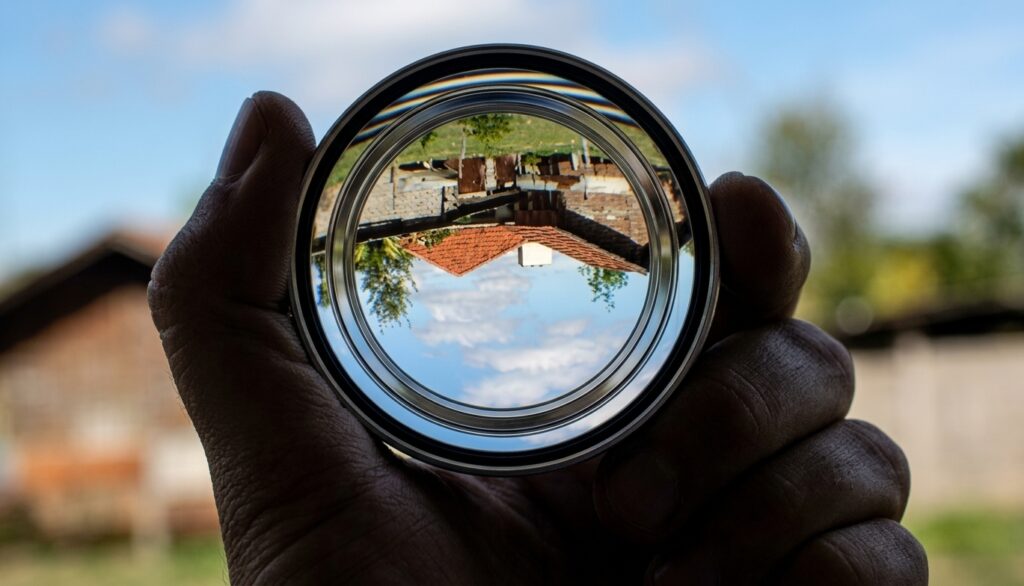

What is a magnifying glass used for A tiny detail can be difficult to see when ordinary vision is not enough. Small print, fine jewelry, plant structures, electronic parts, and delicate craft work can quickly become frustrating without the right optical aid. What is a magnifying glass used for? It is a simple tool that enlarges the apparent size of nearby objects, making fine details easier to examine, read, identify, and work with.
What Is a Magnifying Glass?
A magnifying glass is a handheld optical instrument that uses a convex lens to make nearby objects appear larger. The lens bends incoming light and can produce an enlarged virtual image when the object is positioned appropriately within its focal length.
The basic design is simple. Most traditional magnifying glasses have a curved transparent lens mounted inside a frame with a handle, although modern versions may include built-in lights, multiple lenses, stands, or flexible positioning arms.
The answer to what is a magnifying glass used for depends on the task. People use one for reading small text, inspecting objects, studying nature, examining jewelry, completing crafts, checking electronics, and supporting close-up visual tasks.
Quick Overview of Magnifying Glass Uses
| Use | What It Helps You See | Common Users |
|---|---|---|
| Reading | Small letters and fine print | Readers, students, older adults |
| Science | Small structures and specimens | Students, teachers, researchers |
| Crafts | Fine cuts, stitches, and patterns | Crafters, artists |
| Jewelry | Stones, settings, scratches | Jewelers, collectors |
| Electronics | Tiny components and connections | Technicians, hobbyists |
| Gardening | Leaves, pests, and plant details | Gardeners |
| Nature study | Insects, textures, and specimens | Children, educators |
| Collecting | Stamps, coins, and markings | Collectors |
| Maps | Small labels and symbols | Travelers, planners |
| Low-vision tasks | Enlarged nearby details | People with visual impairment |
| Repair | Small cracks and parts | DIY users, repair workers |
| Inspection | Surface details and defects | Professionals and hobbyists |
How Does a Magnifying Glass Work?
A magnifying glass works through the principles of refraction and lens optics. Its convex lens bends light rays toward one another, allowing the eye to see an enlarged virtual image when the object is held close enough to the lens.
The lens has a focal length, which is the distance associated with how strongly it converges incoming light. A shorter focal length generally means a stronger optical power and greater potential magnification.
This explains why moving the lens or object slightly can make the image sharper or blurrier. The correct working distance depends on the lens design and the object being examined.
What Can You See With a Magnifying Glass?
A magnifying glass does not create new physical details. Instead, it makes existing details appear larger to your eyes.
For example, you might use one to examine:
- Tiny printed letters
- Fine scratches
- Fabric fibers
- Insect body structures
- Plant leaves
- Coin markings
- Stamp designs
- Jewelry settings
- Electronic components
- Small mechanical parts
- Hairline cracks
- Fine craft patterns
This makes a magnifier particularly useful when the object contains details that are visible but difficult to distinguish with the naked eye.
Magnifying Glass Uses for Reading
One of the most familiar answers to what is a magnifying glass used for is reading.
A magnifier can enlarge small text on:
- Books
- Product labels
- Medication packaging
- Maps
- Menus
- Newspapers
- Instructions
- Receipts
- Printed forms
A handheld magnifier can be especially helpful for short reading tasks. For longer sessions, a stand magnifier or illuminated magnifier may provide a more comfortable setup.
The National Eye Institute lists magnifying lenses among practical tools that can help people with low vision perform close-up activities such as reading.
Uses in Science and Education
A magnifying glass can turn an ordinary classroom object into a useful science lesson.
Students can examine the texture of leaves, the structure of flowers, soil particles, insect features, rocks, paper fibers, and other objects. Teachers can also use magnifiers to demonstrate basic concepts involving observation, light, lenses, and image formation.
For younger students, the tool encourages careful observation. Instead of simply looking at an object, they can compare its visible features before and after magnification.
Simple Classroom Activity
Place a leaf, coin, feather, or piece of fabric on a table. Ask students to describe what they see normally, then inspect the same object with a magnifier.
They can record differences in texture, shape, patterns, and small structures. This creates a straightforward hands-on lesson without requiring complicated laboratory equipment.
Uses for Crafts and Hobbies
Another practical answer to what is a magnifying glass used for is detailed craft work.
People use magnifiers for activities that require precise visual control, including:
- Needlework
- Embroidery
- Model building
- Painting miniature objects
- Beadwork
- Paper crafts
- Woodworking
- Sewing
- Calligraphy
- Small-scale artwork
An illuminated magnifying glass can be particularly useful because it combines enlargement with additional light.
For detailed hobbies, a hands-free model with a stand or neck-mounted frame can be more convenient than holding a traditional magnifier continuously.
Uses for Jewelry and Small Objects
Jewelers, collectors, and hobbyists often need to inspect details that are too small for comfortable unaided viewing.
A magnifier can help examine:
- Gemstone surfaces
- Metal settings
- Engraved markings
- Small scratches
- Loose components
- Fine decorative patterns
- Manufacturing details
A specialized jeweler’s loupe can provide stronger magnification in a compact form. However, a standard magnifying glass may be more comfortable for general inspection because it offers a larger viewing area.
Uses for Electronics and Repair
Tiny components can make electronics repair challenging. A magnifying glass can help users inspect circuit boards, wires, connectors, solder joints, switches, and other small parts.
The tool does not replace proper testing equipment. Instead, it improves visual inspection and can help identify obvious physical problems such as broken connections, damaged components, debris, or poor soldering.
For repair work, an illuminated hands-free magnifier can be especially useful because both hands remain available for the task.
Uses in Gardening and Nature Study
Gardeners can use a magnifying glass to look closely at plants and insects.
It can help reveal:
- Small insects
- Leaf textures
- Fine hairs
- Tiny eggs
- Surface damage
- Flower structures
- Seed details
- Soil particles
Children can also use a magnifier during outdoor observation activities. A leaf that looks smooth from a distance may reveal an intricate pattern when viewed up close.
This is one reason magnifiers remain useful educational tools even when digital cameras and smartphones are widely available.
Uses for Maps, Stamps, and Collectibles
Collectors frequently need to inspect tiny markings. A magnifier can make details on stamps, coins, trading cards, historical documents, labels, and other collectibles easier to identify.
For stamps, it can help with small printed details, perforations, and design features. For coins, it can make lettering, surface marks, and fine patterns easier to inspect.
When evaluating valuable collectibles, magnification should support—not replace—professional authentication. A magnifying glass can reveal details, but it cannot independently establish an item’s authenticity or market value.
Uses for Low Vision
For people with low vision, magnification can support everyday activities that require close-up viewing.
The National Eye Institute explains that vision rehabilitation can include assistive products such as magnifiers, lighting, reading stands, and other technologies.
This means the answer to what is a magnifying glass used for can extend beyond hobbies and inspection. It can also become part of a person’s practical strategy for reading labels, viewing printed material, completing tasks, and maintaining independence.
The best solution varies from person to person. Someone with significant visual impairment may benefit more from an electronic magnifier, specialized optical device, improved lighting, or professional vision-rehabilitation guidance.
Can a Magnifying Glass Start a Fire?
Yes. A magnifying glass can concentrate sunlight onto a small area, creating enough heat to ignite combustible material under suitable conditions.
This is an important safety issue because a magnifier should never be left where direct sunlight can pass through it and focus onto curtains, paper, fabric, dry vegetation, or other combustible materials.
Fire services have documented real incidents in which sunlight concentrated by glass or magnifying objects caused fires. Essex County Fire and Rescue Service reported a bedroom fire caused when sunlight passing through a magnifying glass concentrated heat onto curtains.
Fire-safety authorities recommend keeping magnifying and reflective glass objects away from direct sunlight, especially near windows.
Basic Magnifying Glass Safety Rules
- Keep the lens away from direct sunlight when not in use.
- Never leave it on a windowsill.
- Do not point it toward combustible materials.
- Keep it away from children when sunlight is present.
- Store it in a shaded location.
- Do not use it to look directly at the Sun.
- Never use optical magnifiers to view hazardous laser beams.
These simple precautions reduce unnecessary risk.
How to Choose the Right Magnifying Glass
Knowing what is a magnifying glass used for helps you select the right type.
Consider these factors before buying one:
1. Magnification
Higher magnification is useful for very small details, but it usually produces a smaller viewing area and can require more precise positioning.
For general reading and inspection, moderate magnification may be easier to use.
2. Lens Size
A larger lens provides a wider field of view. A smaller lens can be more convenient when examining one tiny feature.
3. Lighting
Built-in LEDs can improve visibility in dim conditions. Good lighting can sometimes make as much difference as increased magnification.
4. Handle or Stand
A traditional handle works well for quick inspections. A stand or hands-free design works better for extended tasks.
5. Weight
If you plan to use the magnifier for several minutes at a time, choose a comfortable design that does not strain your hand or wrist.
Magnifying Glass vs. Other Magnification Tools
| Tool | Best For | Main Advantage | Limitation |
|---|---|---|---|
| Handheld magnifying glass | General inspection | Simple and portable | Requires one hand |
| Reading magnifier | Small print | Comfortable close-up viewing | Limited working distance |
| Jeweler’s loupe | Jewelry and fine details | Strong magnification | Small viewing area |
| Stand magnifier | Reading and crafts | Hands-free operation | Less portable |
| Digital magnifier | Low vision | Adjustable enlargement | Requires power |
| Microscope | Very small structures | Much higher magnification | More complex |
The best tool depends on the task rather than simply choosing the highest magnification.
Common Mistakes to Avoid
A few mistakes can make a magnifier less effective.
Holding it too far away: The image may remain blurry if the object is outside the useful viewing range.
Choosing excessive magnification: More magnification does not always mean better visibility. A narrow field of view can make it harder to locate the detail you need.
Ignoring lighting: Poor illumination can hide details even when magnification is adequate.
Using it in direct sunlight: This creates an avoidable fire hazard.
Assuming it replaces professional equipment: A magnifier is excellent for visual inspection but cannot replace a microscope, testing instrument, or professional assessment when those are required.
Frequently Asked Questions
What is a magnifying glass used for?
A magnifying glass is used to make nearby objects appear larger so that small details become easier to see. Common uses include reading small text, inspecting jewelry, studying plants and insects, completing crafts, checking electronics, and examining collectibles.
What type of lens does a magnifying glass use?
A traditional magnifying glass uses a convex, or converging, lens. When positioned correctly, the lens produces an enlarged virtual image that the eye can observe comfortably.
Can I use a magnifying glass for reading?
Yes. A magnifying glass can enlarge small printed material and help with close-up reading. People with low vision may also use magnifying lenses as part of their collection of visual aids.
Is a magnifying glass useful for science projects?
Yes. Students can use one to examine leaves, insects, rocks, fibers, flowers, and other objects. It provides a simple way to practice observation and explore basic optics.
Can a magnifying glass cause a fire?
Yes. Direct sunlight can be concentrated by a magnifying lens and may heat combustible materials enough to ignite them. Store magnifiers away from direct sunlight and never leave one near a window where sunlight can pass through it.
Is a magnifying glass the same as a microscope?
No. A magnifying glass provides relatively low magnification for everyday close-up observation, while a microscope is designed to provide much greater magnification and resolution. They serve different purposes.
Conclusion: Why a Magnifying Glass Still Matters
A magnifying glass is a small tool with a remarkably broad range of practical uses. What is a magnifying glass used for? It can help you read small print, inspect jewelry, study nature, complete precise crafts, examine electronics, explore science, and view everyday objects in greater detail.
Its value comes from simplicity: no complicated setup is necessary for many tasks. Choose the magnification, lens size, lighting, and format according to what you need to see, and always store the lens away from direct sunlight.
For reading difficulties related to low vision, consider discussing suitable magnification and vision-rehabilitation options with an eye-care professional. For hobbies, inspection, education, and everyday tasks, a well-chosen magnifier can make tiny details much easier to understand and work with.