
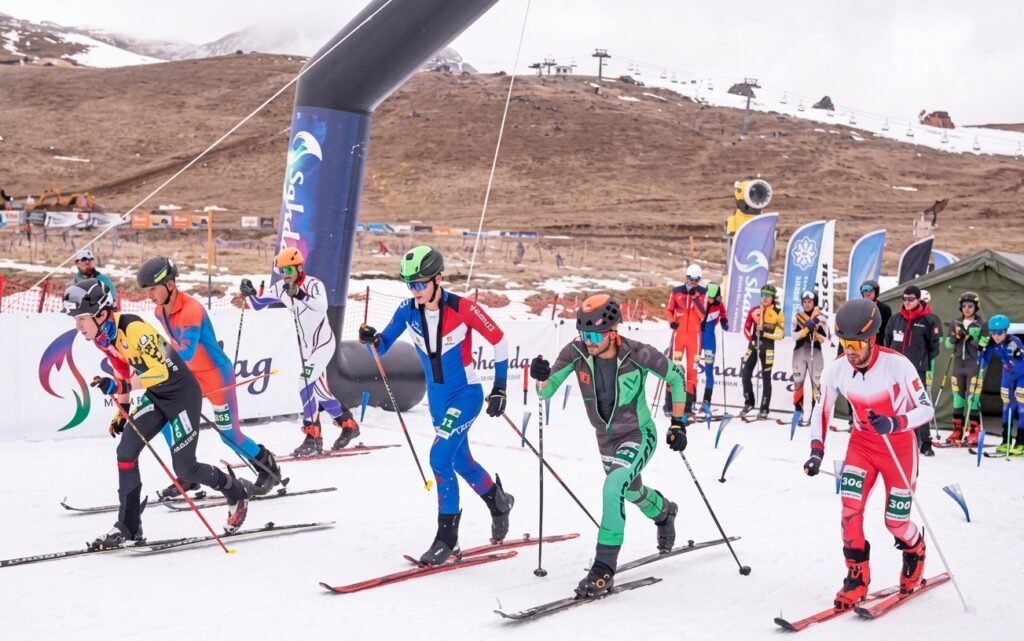

Alpinizmi A difficult mountain can quickly expose poor preparation, weak judgment, and unsuitable equipment. A beautiful summit does not remove those challenges; it makes preparation more important. Alpinizmi describes the demanding practice of climbing mountains where route finding, physical endurance, technical movement, weather awareness, and safety skills work together. The goal is not simply to reach a summit but to manage the entire climb responsibly.
The English term alpinism generally describes climbing high mountains, particularly in alpine environments. Modern alpinism can involve rock, snow, ice, glaciers, mixed terrain, and long technical routes.
What Does Alpinizmi Mean?
At its simplest, alpinizmi means mountain climbing that requires more than ordinary walking or hiking.
A mountain route may demand:
- Rock-climbing skills
- Snow travel
- Ice climbing
- Glacier travel
- Rope management
- Navigation
- Route planning
- Weather interpretation
- Emergency preparation
- Physical endurance
- Mental discipline
The difficulty changes with altitude, terrain, route length, weather, exposure, and technical demands.
A short climb on stable rock can require a different skill set from a long glacier route or a high-altitude expedition. That variety makes alpinism a broad mountain discipline rather than one single type of climb.
Alpinizmi vs. Mountaineering and Hiking
People often use alpinism, mountaineering, and hiking as if they mean exactly the same thing. They overlap, but their demands can differ.
| Activity | Typical Terrain | Technical Skills | Equipment | Main Objective |
|---|---|---|---|---|
| Hiking | Trails and established paths | Low to moderate | Hiking gear | Travel and exploration |
| Trekking | Longer mountain routes | Moderate | Backpacking gear | Multi-day travel |
| Mountaineering | Mountains, snow, rock | Moderate to advanced | Mountain equipment | Mountain ascent |
| Alpinism | Alpine and technical terrain | Advanced | Rope and climbing equipment | Technical mountain climbing |
| Ice Climbing | Frozen waterfalls or steep ice | Advanced | Ice tools and crampons | Climb steep ice |
| Rock Climbing | Rock faces | Moderate to advanced | Rope and protection | Technical climbing |
The boundaries are not absolute. A mountain expedition can combine hiking, glacier travel, scrambling, rock climbing, and ice climbing during the same objective.
How Alpinizmi Developed
The modern tradition of alpinism developed strongly in the European Alps, where climbers began deliberately pursuing difficult mountain summits and routes.
The word itself comes from the Alps, and historical development of the activity helped establish techniques that later spread to mountain ranges around the world.
Over time, climbers moved from relatively straightforward summit attempts toward more technical objectives. Modern routes can involve steep rock, complex glaciers, vertical ice, mixed climbing, and demanding descents.
This progression also changed the meaning of climbing success. A summit is important, but route selection, style, preparation, and responsible decision-making have become equally significant.
What Skills Do Alpinists Need?
Successful alpinizmi requires a combination of technical and practical skills.
1. Movement Skills
Climbers need efficient movement on different surfaces.
Rock requires balance, footwork, body positioning, and hand placement. Snow and ice require different techniques, including controlled movement with crampons and ice tools.
2. Rope Skills
Rope systems can help protect climbers on exposed terrain.
Important skills include:
- Knots
- Belaying
- Rappelling
- Rope management
- Anchoring
- Protection placement
- Partner communication
These techniques should be learned through qualified instruction and repeated practice rather than through reading alone.
3. Navigation
A mountain route can look completely different in fog, snow, or darkness.
Alpinists should understand:
- Topographic maps
- Compass use
- GPS navigation
- Route descriptions
- Terrain identification
- Emergency route planning
Navigation should begin before leaving the trailhead.
4. Decision-Making
Good judgment may be the most important skill of all.
A climber must know when to:
- Continue
- Slow down
- Change the route
- Wait for better conditions
- Turn around
- Seek assistance
The American Alpine Club’s historical safety work repeatedly emphasized training, judgment, preparation, and awareness of personal limits.
Essential Alpinizmi Equipment
Equipment should match the route rather than simply look impressive.
A basic alpine equipment system may include:
| Equipment | Purpose |
|---|---|
| Helmet | Protects against falling objects and impacts |
| Climbing harness | Connects the climber to the rope system |
| Mountaineering boots | Provide support and protection |
| Crampons | Improve traction on snow and ice |
| Ice axe | Supports movement and self-arrest techniques |
| Climbing rope | Provides protection and climbing support |
| Carabiners | Connect components of a climbing system |
| Slings | Useful for anchors and protection |
| Belay device | Controls the rope during belaying |
| Ice screws | Protection on suitable ice |
| Rock protection | Protection on suitable rock |
| Headlamp | Essential for low-light travel |
| Navigation tools | Support route finding |
| First-aid kit | Helps manage injuries |
| Insulated clothing | Protects against cold |
| Waterproof layers | Protect against rain and snow |
| Emergency shelter | Provides additional protection during delays |
The correct equipment depends on terrain, season, altitude, route difficulty, and local conditions.
A helmet and harness alone do not make a climber prepared. Every item must be paired with the knowledge required to use it correctly.
How Physical Training Supports Alpine Climbing
Strong mountain performance begins long before the climb.
Alpinists need endurance because approaches can take several hours or even multiple days. They also need strength for carrying equipment, climbing steep terrain, and maintaining balance when tired.
A useful training program can include:
- Long uphill walks
- Stair climbing
- Hiking with a gradually increased pack
- Aerobic conditioning
- Leg-strength exercises
- Core training
- Balance exercises
- Mobility work
- Technical climbing practice
Training should increase gradually.
Trying to imitate an expedition in a single weekend can create unnecessary fatigue or injury. Consistency produces better preparation than occasional extreme workouts.
Why Mountain Weather Matters
Weather can change a safe route into a dangerous one.
Temperature, wind, precipitation, visibility, snow conditions, and storms can all affect an alpine objective.
Before starting, climbers should evaluate:
- Forecast trends
- Wind speed
- Freezing levels
- Precipitation
- Thunderstorm potential
- Avalanche conditions
- Visibility
- Recent snowfall
- Temperature changes
The Tyrol Declaration emphasizes checking weather and conditions before mountain activities and matching objectives to the skills and experience of participants.
A strong climber who ignores weather can still make a poor decision. Mountain judgment requires combining physical ability with environmental awareness.
Understanding Altitude and Acclimatization
Altitude adds another layer of difficulty.
As elevation increases, the environment becomes colder and the available oxygen pressure decreases. High-altitude climbing therefore places additional demands on the body.
Acclimatization allows the body time to adjust to increasing altitude.
A high-altitude plan should consider:
- Gradual ascent
- Rest periods
- Hydration
- Nutrition
- Weather windows
- Individual response to altitude
- Emergency descent options
Very high mountains require specialist knowledge. A climber should not treat an 8,000-meter expedition as simply a harder version of a weekend hike.
Common Hazards in Alpine Climbing
Understanding hazards is central to responsible alpinizmi.
Avalanches
Snow conditions can change quickly. Avalanche terrain requires specific training and current information.
Rockfall
Loose rock can fall without warning, especially in steep or weathered terrain.
Icefall
Glaciers can contain unstable seracs and other moving ice features.
Crevasses
Glaciers may contain hidden cracks covered by snow. Safe glacier travel requires appropriate training, equipment, and team procedures.
Falls
A slip on steep snow or ice can have serious consequences.
Hypothermia
Cold, wind, wet clothing, fatigue, and delays can combine to reduce body temperature.
Exhaustion
Fatigue reduces concentration and increases the chance of poor decisions.
The American Alpine Club’s snow-climbing guidance identifies equipment and skill deficiencies, exhaustion, injury, avalanches, rockfall, and icefall among the factors involved in snow-travel accidents.
Basic Safety Principles
Safety should shape every stage of alpinizmi, from planning to descent.
Follow these fundamental principles:
- Choose a route that matches your experience.
- Study the terrain before starting.
- Check current weather and mountain conditions.
- Use suitable equipment.
- Learn technical systems from qualified instructors.
- Tell someone about your itinerary.
- Carry appropriate emergency supplies.
- Maintain communication with your climbing partners.
- Watch for signs of exhaustion or changing conditions.
- Turn around when continuing creates unacceptable risk.
The Tyrol Declaration places responsibility on individual climbers and emphasizes appropriate skills, experience, equipment, and awareness of objective hazards.
One of the strongest habits in mountaineering is accepting that retreat can be a successful decision.
Rock, Snow, Ice, and Mixed Routes
Alpine climbing can involve several types of terrain.
Rock Routes
Rock climbing focuses on technical movement over exposed stone. Climbers need strong footwork, balance, route reading, and protection skills.
Snow Routes
Snow conditions vary dramatically. Firm snow can provide secure footing, while soft or unstable snow can increase effort and risk.
Ice Routes
Ice climbing requires specialized technique and equipment. Crampons and ice tools become central to movement and protection.
Mixed Routes
Mixed climbing combines rock, snow, and ice. These routes demand flexibility because climbers may change techniques repeatedly during one ascent.
The ability to recognize terrain and adjust technique is one of the defining strengths of experienced alpine climbers.
Choosing Your First Alpine Objective
A beginner should not choose a route based only on its summit height.
A better selection process considers:
- Technical difficulty
- Route length
- Elevation gain
- Descent difficulty
- Weather exposure
- Glacier conditions
- Rescue access
- Required equipment
- Previous climbing experience
- Availability of qualified instruction
Start with objectives that allow you to develop skills without overwhelming the entire team.
A smaller mountain with demanding terrain can provide more useful training than a very high mountain with an easy route.
The Role of Mountain Guides
A qualified mountain guide can dramatically improve the learning process.
Guides can help clients understand:
- Route selection
- Terrain hazards
- Weather decisions
- Rope systems
- Movement techniques
- Mountain etiquette
- Emergency planning
The Tyrol Declaration states that guides and leaders should understand the hazards of an objective, possess suitable skills and experience, use appropriate equipment, and select routes according to the abilities of their clients.
For technical or unfamiliar mountains, professional guidance can be a valuable part of responsible preparation.
Responsible and Ethical Climbing
Modern alpinizmi is not only about reaching difficult summits.
Ethical climbing means respecting other people, local traditions, access rules, and the mountain environment.
Good practices include:
- Respecting local regulations
- Avoiding unnecessary fixed equipment
- Communicating courteously with other teams
- Giving faster parties appropriate consideration
- Avoiding dangerous crowding
- Respecting local communities
- Reporting routes accurately
- Helping others during emergencies when safe
The Tyrol Declaration also stresses personal responsibility, cooperation, accurate reporting, respect for local cultures, and responsible mountain behavior.
Environmental Responsibility
Mountains are fragile environments.
Climbers can reduce their impact by:
- Packing out waste
- Staying on appropriate trails where required
- Respecting protected areas
- Avoiding unnecessary damage to vegetation
- Following camping rules
- Limiting disturbance to wildlife
- Respecting local conservation policies
Responsible climbing protects access for future generations.
The Tyrol Declaration specifically encourages environmentally sensitive mountain activities and responsible access practices.
Alpinizmi in High Mountains
High-altitude alpinism introduces challenges that go far beyond ordinary mountain hiking.
At greater elevations, climbers must manage:
- Reduced oxygen availability
- Extreme cold
- Strong winds
- Longer recovery periods
- Greater exposure
- Complex logistics
- Limited rescue options
- Difficult communication
- Rapid weather changes
High-altitude expeditions also require careful planning for food, shelter, transportation, permits, equipment, and emergency evacuation.
The higher the mountain, the more important preparation becomes.
Benefits of Alpinism
When practiced responsibly, alpinizmi can develop valuable physical and mental qualities.
Physical Benefits
Mountain climbing can improve:
- Cardiovascular fitness
- Leg strength
- Balance
- Coordination
- Endurance
- Mobility
Mental Benefits
The activity can also strengthen:
- Patience
- Concentration
- Problem-solving
- Self-awareness
- Teamwork
- Decision-making
Mountain environments also encourage people to slow down and focus on immediate priorities.
The reward is not limited to a summit photograph. Learning how to plan, adapt, communicate, and return safely can be just as meaningful.
Alpinizmi Preparation Checklist
Use this checklist before a technical mountain objective.
Route
-
Research the route
-
Understand technical grades
-
Study ascent and descent
-
Identify alternative routes
-
Identify retreat points
Weather
-
Check multiple reliable forecasts
-
Review recent conditions
-
Check avalanche information where relevant
-
Understand temperature and wind
Equipment
-
Inspect climbing hardware
-
Check rope condition
-
Test navigation devices
-
Prepare suitable clothing
-
Pack emergency equipment
Physical Preparation
-
Build endurance
-
Practice uphill movement
-
Train with an appropriate pack
-
Practice technical skills
-
Get enough rest before the climb
Emergency Planning
-
Share the itinerary
-
Know local emergency contacts
-
Carry communication equipment
-
Understand evacuation options
-
Establish turnaround criteria
What Makes a Good Alpinist?
A strong alpinizmi practitioner is not necessarily the person who climbs the fastest or reaches the highest summit.
A good alpinist:
- Prepares carefully.
- Understands personal limits.
- Respects changing conditions.
- Communicates clearly.
- Protects climbing partners.
- Takes responsibility for decisions.
- Treats the mountain environment with respect.
- Knows when to retreat.
Technical skill matters, but judgment turns skill into responsible climbing.
Frequently Asked Questions About Alpinizmi
What is alpinizmi?
Alpinizmi refers to alpinism or technical mountain climbing. It involves ascending mountainous terrain that may include rock, snow, ice, glaciers, and mixed routes. The activity combines climbing technique, navigation, physical endurance, route planning, and mountain safety.
Is alpinizmi the same as hiking?
No. Hiking generally uses established trails and requires less technical equipment. Alpinism can involve ropes, crampons, ice axes, climbing protection, glacier travel, and technical climbing skills.
What equipment is needed for alpinizmi?
Equipment depends on the route. Common equipment can include a helmet, harness, rope, crampons, ice axe, carabiners, belay equipment, appropriate clothing, navigation tools, emergency supplies, and route-specific protection.
Is alpinizmi dangerous?
Yes, mountain climbing carries genuine hazards. Falls, avalanches, rockfall, icefall, crevasses, severe weather, cold, exhaustion, and altitude can all create serious risks. Training, preparation, appropriate equipment, and sound decisions can reduce—but never completely eliminate—those risks.
Can beginners learn alpinizmi?
Yes, but beginners should build skills progressively. Start with qualified instruction, basic climbing skills, navigation, mountain safety, and suitable objectives before attempting technical or high-altitude routes.
Should I hire a mountain guide?
A qualified guide can be especially useful for technical, unfamiliar, or high-altitude objectives. A professional guide can help with route selection, technical skills, weather decisions, risk management, and mountain procedures.
Key Facts About Alpinizmi
| Topic | Key Point |
|---|---|
| Meaning | Technical mountain climbing or alpinism |
| Main terrain | Rock, snow, ice, glaciers, mixed terrain |
| Core skills | Climbing, navigation, rope work, route planning |
| Fitness | Endurance, strength, balance, mobility |
| Major hazards | Falls, avalanches, rockfall, icefall, weather |
| Essential principle | Match the objective to your skills |
| Equipment | Depends on terrain and conditions |
| Beginner approach | Learn progressively with qualified instruction |
| Guide benefit | Route knowledge, technical support, decision-making |
| Environmental goal | Minimize impact and respect local rules |
| Success | Safe, well-planned completion—not simply reaching a summit |
Final Takeaway
Alpinizmi combines adventure, technical climbing, physical endurance, careful planning, and respect for the mountain environment. Its greatest challenge is not simply moving upward; it is making good decisions while conditions, terrain, weather, and fatigue continue to change.
If you want to enter the sport, begin with training and instruction rather than chasing a difficult summit immediately. Build your skills on appropriate terrain, learn from experienced climbers, understand the equipment you use, and develop the discipline to turn around when conditions demand it.
The strongest climber is not the person who takes the greatest risk. It is the person who understands the mountain, prepares intelligently, protects the team, respects the environment, and returns home ready for the next climb.