
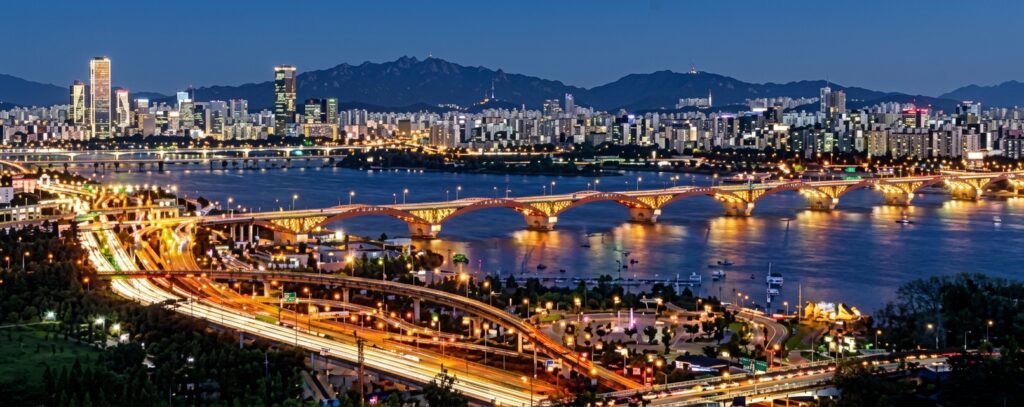

Soul-t’ukpyolsi in an older text, atlas, or academic source can be confusing if you don’t already know it’s simply a different spelling of a city you likely already recognize. Soul-t’ukpyolsi is the McCune-Reischauer romanization of Seoul, South Korea’s capital, and understanding this name unlocks the reasoning behind the city’s unique legal and administrative status. This guide covers exactly what the name means, how it came to exist, and the key facts behind the city it describes.
What Does Soul-t’ukpyolsi Actually Mean?
This is the McCune-Reischauer romanization of the Korean term 서울특별시, which translates directly to “Seoul Special City.” This is the city’s full, official designation, distinct from simply calling it “Seoul” in casual conversation or writing.
The word “t’ukpyolsi,” or teukbyeolsi in the more modern Revised Romanization system, specifically means “special city” in Korean. This designation isn’t a decorative title. It reflects a genuine, distinct legal and administrative status that separates Seoul from South Korea’s ordinary provinces and cities.
Two different Korean romanization systems explain why you’ll encounter multiple spellings of this same name. McCune-Reischauer, developed earlier and once the more common academic standard, renders the name this way, while the newer Revised Romanization system, adopted officially by South Korea in 2000, writes it as Seoul-teukbyeolsi.
Full Reference Table: Soul-t’ukpyolsi (Seoul) Key Facts
Here’s a complete breakdown of the city’s core facts, drawn from established geographic and encyclopedic sources.
| Detail | Information |
|---|---|
| Official name (English) | Seoul Special City |
| Hangul | 서울특별시 |
| Hanja | 서울特別市 |
| McCune-Reischauer romanization | Sŏul-T’ŭkpyŏlsi |
| Revised Romanization | Seoul-teukbyeolsi |
| Country | South Korea |
| Status | Special City, capital of South Korea |
| Established as special city | 1949 |
| Number of districts (gu) | 25 |
| Area | Approximately 605 km² (233 sq mi) |
| Population (approximate) | 9.2 to 9.6 million within city limits |
| Metropolitan area population | Over 25 million |
| Governing body | Seoul Metropolitan Government, led by an elected mayor |
Keep this table handy for a quick reference when comparing this city against South Korea’s other administrative divisions.
Why “Special City” Status Actually Matters
The “special city” designation behind this name isn’t just symbolic language. It reflects a genuine, distinct administrative category within South Korea’s government structure, separate from the country’s ordinary provinces and metropolitan cities.
This special status grants Seoul a higher degree of administrative autonomy than a standard city holds, reflecting its role as the nation’s political, economic, and cultural center. The designation was established in 1949, shortly after South Korea’s founding, formally recognizing Seoul’s unique position as the country’s sole capital and largest urban center.
Understanding this distinction matters for anyone studying South Korean government structure, since Seoul’s governance model differs meaningfully from the country’s other major cities, even large ones like Busan or Incheon.
Two Romanization Systems: Why the Spelling Varies
Encountering both “Soul-t’ukpyolsi” and “Seoul-teukbyeolsi” for the exact same place often confuses readers unfamiliar with Korean romanization history. Both refer to the identical Korean term, 서울특별시, but reflect two different systems for representing Korean sounds using the Latin alphabet.
McCune-Reischauer, developed in the 1930s, was the dominant academic romanization standard for decades and still appears frequently in older scholarly texts, library catalog systems, and historical references. South Korea officially adopted the Revised Romanization system in 2000, which is now the standard used on road signs, in government documents, and across most current maps and travel resources.
| System | Spelling of the Term | Common Context |
|---|---|---|
| McCune-Reischauer | Sŏul-T’ŭkpyŏlsi | Older academic texts, library systems, historical sources |
| Revised Romanization | Seoul-teukbyeolsi | Current official South Korean government usage, modern maps |
Recognizing both spellings as referring to the same place prevents confusion when researching across sources published at different points in time.
History Behind the City Now Called Soul-t’ukpyolsi
Seoul’s history as a capital stretches back centuries before its formal designation as a special city. The city, historically known by names including Hanseong and Hanyang, served as the capital of the Joseon Dynasty starting in 1394, following its founding by Taejo of Joseon.
The city’s role continued through Korea’s turbulent 20th century, and upon the establishment of the Republic of Korea in 1948, Seoul was designated the nation’s capital once again. The formal “Special City” status behind this name followed in 1949, cementing Seoul’s distinct legal position within the new South Korean government structure.
This long, continuous history as a political center is part of why Seoul’s special administrative status carries real historical weight, rather than functioning as a purely modern bureaucratic label.
Geography and Administrative Structure
Soul-t’ukpyolsi sits on the Han River in the northwestern part of South Korea, roughly 37 miles inland from the Yellow Sea. Its position along a major river has shaped the city’s development for centuries, supporting trade, transportation, and settlement patterns dating back to well before the modern era.
The city is divided into 25 individual districts, called gu, each maintaining its own district office and local council under the broader authority of the Seoul Metropolitan Government. This structure allows for localized administration within specific neighborhoods while still operating under Seoul’s unified city-wide governance and elected mayor.
District sizes and populations vary considerably, with some, like Songpa-gu, exceeding 600,000 residents, while others cover larger land areas with comparatively lower population density.
Population and Scale of Soul-t’ukpyolsi
Current population estimates for Soul-t’ukpyolsi within official city limits range from roughly 9.2 to 9.6 million people, depending on the specific year and data source referenced. This makes it the most populous city in South Korea by a wide margin, home to roughly one-fifth of the country’s entire population within city boundaries alone.
The broader Seoul Capital Area, which includes the surrounding Incheon metropolis and Gyeonggi province, extends the total population figure to more than 25 million people, ranking among the largest metropolitan areas in the world. Population density within the city itself runs notably high, reported at roughly twice that of New York City and several times higher than many other major global cities.
Recent data also indicates a gradual population decline within the core city limits in recent years, a trend observed across several established East Asian megacities facing similar demographic shifts.
Soul-t’ukpyolsi’s Role as South Korea’s Capital
Beyond its administrative designation, Soul-t’ukpyolsi functions as the undisputed center of South Korean political, economic, and cultural life. The Korean National Assembly, the country’s primary legislative body, sits within the city, alongside the headquarters of major government ministries and agencies.
Economically, the city ranks among the world’s largest metropolitan economies, hosting the headquarters of numerous multinational corporations alongside a dense concentration of finance, technology, and manufacturing activity. Educational institutions based in the city, including Seoul National University, Korea University, and Yonsei University, rank among the most prestigious in the country, drawing students from across South Korea and internationally.
This combination of political, economic, and educational significance reinforces why the formal “special city” status carries genuine functional weight rather than serving as a purely ceremonial designation.
Cultural Landmarks Associated With the City
Understanding this city’s cultural depth alongside its administrative status gives a fuller picture of it. Gyeongbokgung Palace, constructed in 1395, stands as the largest of the Five Grand Palaces built during the Joseon Dynasty and remains one of the city’s most visited historical sites.
Multiple UNESCO World Heritage Sites sit within city limits, including Changdeokgung Palace and Jongmyo Shrine, reflecting centuries of continuous historical significance layered beneath the city’s modern skyline. This blend of centuries-old heritage sites alongside a highly modern, technology-driven urban environment is frequently cited as a defining characteristic of the city today.
These landmarks aren’t just tourist attractions. They serve as tangible evidence of the deep historical continuity behind this city’s modern administrative role as South Korea’s capital.
Frequently Asked Questions
What does Soul-t’ukpyolsi mean?
Short answer: It’s the McCune-Reischauer romanization of the Korean term meaning “Seoul Special City,” referring to the official designation of Seoul, South Korea’s capital.
The word “t’ukpyolsi” specifically translates to “special city,” reflecting a genuine administrative status distinct from South Korea’s ordinary cities and provinces. The more modern Revised Romanization system spells the same term as “Seoul-teukbyeolsi.”
Is Soul-t’ukpyolsi a different place from Seoul?
Short answer: No, it refers to the exact same city. Soul-t’ukpyolsi is simply an older romanization spelling of Seoul’s full official name.
Both terms describe the identical Korean city and its formal “Special City” designation. The spelling difference comes from two separate Korean-to-English romanization systems used at different points in history.
When did Seoul become a special city?
Short answer: Seoul was formally designated a special city in 1949, shortly after the Republic of Korea’s establishment in 1948.
This status granted the city a distinct administrative category separate from South Korea’s ordinary provinces and cities. The designation reflects Seoul’s role as the nation’s sole capital and largest urban center.
How many districts does Soul-t’ukpyolsi have?
Short answer: The city is divided into 25 individual districts, called gu, each with its own local district office and council.
These districts operate under the broader authority of the Seoul Metropolitan Government and its elected mayor. District size and population vary significantly, with some exceeding 600,000 residents.
What is the population of Soul-t’ukpyolsi?
Short answer: Current estimates place the population within official city limits at roughly 9.2 to 9.6 million people, depending on the specific data source and year referenced.
The broader Seoul Capital Area, including surrounding Incheon and Gyeonggi province, extends the total population figure to more than 25 million. This makes Seoul one of the most populous metropolitan areas in the world.
Why are there two different spellings for the same Korean city name?
Short answer: McCune-Reischauer and Revised Romanization are two separate systems for converting Korean sounds into the Latin alphabet, and they render the same term differently.
McCune-Reischauer, developed in the 1930s, still appears in older academic and library sources. South Korea officially adopted Revised Romanization in 2000, making it the current standard on maps, road signs, and government documents.
About This Guide
This guide was compiled using established encyclopedic sources, official government-linked geographic data, and current population statistics, cross-checked for accuracy before publication. Population figures reflect recent estimates and may shift slightly as newer census data becomes available.
Sources referenced:
- Encyclopaedia Britannica, Seoul: History, Population, Climate, Map, and Facts
- Wikipedia, Seoul (Administrative and Geographic Overview)
- World Population Review, Seoul Population 2026
- Simple English Wikipedia, Seoul Overview
Curious to learn more about South Korea’s capital? Explore the city’s landmark palaces and UNESCO sites above, and keep both romanization spellings in mind the next time you come across an older reference to Soul-t’ukpyolsi.